101 Creative Photo Collage Ideas: Inspiring Designs You Need To See
Every photograph tells a story, but a creative photo collage can weave multiple moments into a single, powerful narrative. This technique transforms a collection of images into a cohesive piece of art, offering a unique way to document life, express emotion, or elevate your brand’s visual identity. By breaking free from the constraints of a single frame, you invite the viewer to explore a journey rather than just observe a frozen instant.
Understanding the Art of Visual Collage
The foundation of a stunning collage lies in its conceptual backbone. Before you even open a photo editing app, consider the theme that ties the images together. Are you curating a travel memoir, celebrating a milestone, or deconstructing a brand identity? Treat your layout like a photographer frames a shot; every element should serve the central story. The arrangement should guide the eye, creating rhythm and flow rather than a chaotic jumble of pictures.
Thematic Cohesion and Mood
Consistency is the secret weapon of professional collages. This doesn't mean every photo must be taken on the same day or feature the same subject. Instead, focus on a unifying element such as a color palette, a specific filter, or a shared emotional tone. A cohesive mood transforms a random assortment of images into a unified visual statement, whether you are aiming for a nostalgic vibe, a high-energy campaign, or a serene, minimalist aesthetic.


Exploring Layout Structures
The grid is just the beginning. While a simple matrix is clean and easy to create, breaking the rules can result in truly memorable compositions. The right structure dictates the energy of the piece, turning static images into a dynamic conversation. Experimenting with asymmetry or negative space can add a level of sophistication that feels modern and intentional.
Advanced Arrangement Techniques
- The Mosaic Grid: Perfect for showcasing variety, this classic layout treats each image with equal weight. It is the ideal choice for portfolio reviews or social media feeds where you want to highlight multiple subjects equally.
- Layered Overlays: For a more artistic approach, allow images to overlap. This creates depth and dimension, suggesting that the memories interweave and coexist in a single space.
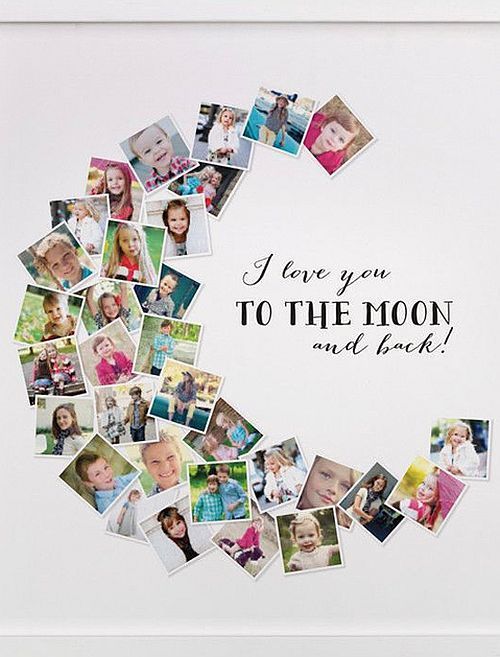
- Circular or Abstract Flow: Depart from the rigid right angles. Arranging photos in a circular pattern or following an abstract shape draws the eye inward and is particularly effective for branding or artistic personal projects.
Mastering Color and Contrast
Color is the emotional language of your collage. You can either harmonize the images to create a serene atmosphere or contrast them to generate visual tension and excitement. Understanding how hues interact can make the difference between a collage that looks accidental and one that feels meticulously designed.


Balancing the Palette
When working with diverse images, color blocking is a powerful technique. Group images by tone—warm colors together and cool colors together—to create distinct sections within the layout. Alternatively, apply a subtle color grade to the entire piece to unify mismatched lighting or scenery. This ensures the final piece feels like a single entity rather than a collection of disjointed parts.
Adding Texture and Depth
Flat images can make a collage feel sterile. Incorporating texture adds a tactile, human element that mimics the physical world. Whether you are designing for print or digital display, these small details add character and prevent the artwork from looking like a simple screenshot montage.
Physical and Digital Texturing
- Physical Media: If you are printing your work, try mounting photos on textured paper, canvas, or even fabric. The physical layers add a sense of luxury and depth.
- Digital Filters: In post-processing, overlay subtle textures like film grain, light leaks, or paper scraps. These elements act as the "dirt" and "grit" of reality, making the digital creation feel warm and authentic.
Typography and Negative Space
Text can be a powerful component of a photo collage, whether labeling events, providing quotes, or acting as a design element itself. The choice of font and its placement should complement the images, not compete with them. Often, what you leave out is just as important as what you put in.


Integrating Text and Breathing Room
Negative space, or empty space, is crucial for preventing visual overload. It provides the viewer's eyes with a place to rest and emphasizes the key focal points. When adding text, ensure it is legible against the background. Placing type over slightly desaturated areas of the collage or adding a subtle overlay can ensure the words remain clear without obscuring the precious images beneath.
Practical Applications and Inspiration
The versatility of the photo collage means it has a place in nearly every creative sector. From marketers looking to maximize ad space to travelers compiling bucket-list adventures, the format offers endless flexibility. Finding your unique voice within this format involves studying the work of others while staying true to your vision.
Industry-Specific Ideas
- Social Media: Create eye-catching Instagram grids or Facebook covers that tell a cohesive brand story.
- Print Marketing: Design dynamic posters, brochures, or magazine spreads that break the monotony of single-image layouts.
- Personal Projects: Curate a "Moments of Joy" board, a visual diary of holidays, or an artistic representation of a personal journey.


Related Articles

Creative Room Ideas for 9 Year Olds: Fun & Inspiring Designs
Creating a space that reflects a 9-year-old’s evolving personality is about balancing fun with functionality. At this age, children are developing stronger...

Vibrant Color Collage Ideas: 50+ Creative Designs for Inspiration
Color collage ideas transform ordinary scraps of paper, fabric, and digital pixels into vibrant storytelling canvases. This art form marries intuition with...

Creative Robot Ideas Drawing: 30+ Inspiring Sketches & Designs
Robot ideas drawing sits at the crossroads of engineering precision and boundless imagination, offering a tangible starting point for autonomous innovation...

Color Wheel Ideas Creative: 10+ Inspiring Designs to Spark Your Next Project
Understanding the color wheel is the first step toward unlocking bold, intentional palettes in any creative project. This circular diagram maps the...

101+ Lego Trailer Ideas: Creative Designs & Building Tips
Transforming a standard LEGO collection into a mobile playset opens up a universe of storytelling possibilities on four wheels. The process of building a LEGO...

50+ Fun Sidewalk Chalk Ideas for Kids: Creative & Easy Designs
Sidewalk chalk transforms a simple concrete driveway into a canvas for creativity, offering a low-stakes way to bring color and imagination to the outdoors...