Different Types of Power Transformers: A Complete Guide
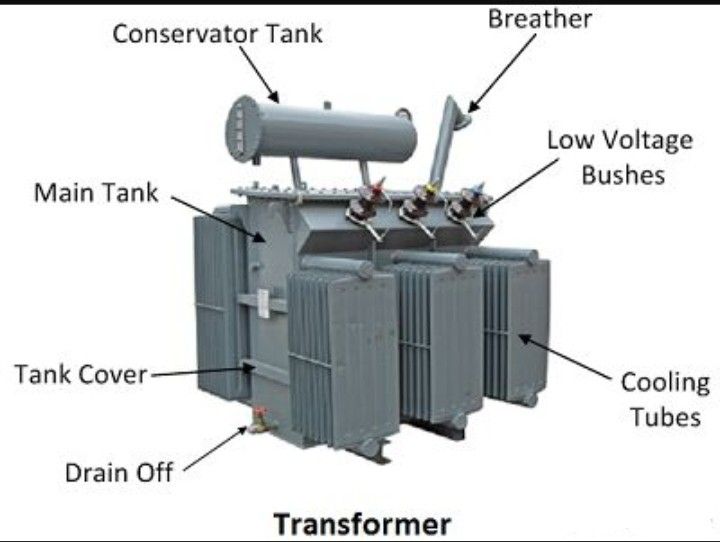
Power transformers are the invisible workhorses of the modern world, quietly enabling the efficient transmission and distribution of electricity that powers our homes, industries, and digital infrastructure. At their core, these static electrical devices operate on the principle of electromagnetic induction to change alternating voltage levels while maintaining frequency. Understanding the different types of power transformers is essential for engineers, facility managers, and anyone involved in the design, operation, or maintenance of electrical systems, as the choice directly impacts efficiency, safety, and reliability.
Classification by Voltage Level and Application
The most common way to categorize power transformers is by their role in the electrical grid, which dictates their voltage rating, size, and construction. This classification divides them into three primary tiers, each serving a distinct purpose in the journey of electricity from generation to the end-user.
Power Transformers (High Voltage)
These heavy-duty units are the backbone of the transmission network, designed to handle the highest voltages typically ranging from 11 kV up to 1000 kV. Their primary function is to step-up voltage at generation plants for long-distance transmission, minimizing resistive losses, and then step-down voltages at major substations for distribution. Characterized by their large size, complex insulation systems, and significant capital cost, they are engineered for maximum efficiency and reliability under heavy loads.


Distribution Transformers (Medium to Low Voltage)
Positioned at the final leg of the journey, distribution transformers bring electricity to the consumer doorstep. They operate at medium voltages (like 11 kV or 33 kV) on the primary side and convert them to safer, lower voltages (such as 415 V or 230 V) for residential, commercial, and industrial use. These transformers are often mounted on poles, placed in pad-mounted enclosures, or housed in small vaults, prioritizing accessibility, weather resistance, and cost-effectiveness over the ultra-high efficiency of their power counterparts.
Instrument Transformers
While not used for power distribution, instrument transformers are critical for measurement and protection. They isolate metering and relay equipment from high voltages. This category includes potential transformers (PTs), which step down voltage for voltage measurement, and current transformers (CTs), which step down current for safe monitoring and protection relay operation. Their accuracy classes are meticulously defined to ensure precise readings for grid management.


Classification by Core Construction
The physical structure of the core and windings defines a transformer's magnetic characteristics, footprint, and performance. The two dominant designs are core-type and shell-type transformers, each with specific advantages.
Core-Type Transformer
In this design, the windings are surround the core limb, with the core forming a closed magnetic path. The windings are placed on a central limb, and the magnetic flux travels through the core limbs that flank the winding. Core-type transformers are commonly used for larger power transformers due to their inherent structural strength and ability to handle high mechanical stresses. They typically have a rectangular or cubic shape.
Shell-Type Transformer
Conversely, the core is built around the windings, which are placed between the core limbs, "shelling" them in. This construction offers better shielding against stray magnetic fields and often results in a more compact design. Shell-type transformers are frequently found in smaller distribution units and specialized applications where space is a premium or where balanced magnetic forces are beneficial.


Classification by Winding Configuration
The arrangement of windings determines how voltage is transformed and can be tailored for specific phase requirements.
Single-Phase Transformers
The simplest form, consisting of one primary and one secondary winding. They are used for low-power applications or in groups to form a three-phase bank. Their straightforward design makes them reliable and easy to install.
Three-Phase Transformers
These are the workhorses of industrial and utility power systems, either built as a single monolithic unit (three-limb core) or as a bank of three single-phase units. Three-phase transformers are more efficient in terms of material usage and footprint compared to three single-phase units, making them the standard for high-power transmission and industrial supply.




Specialized and Modern Variants
Beyond traditional designs, several specialized transformers address modern electrical challenges and niche requirements.
Auto-Transformers
Unlike two-winding transformers, auto-transformers share a portion of their winding between the primary and secondary circuits. This results in a smaller, lighter, and more efficient unit for applications where the input and output voltages are close, such as voltage regulators and starter transformers for motors.
Cast Resin (Dry-Type) Transformers
Gaining popularity for indoor installations, these transformers use epoxy resin to encapsulate the windings instead of flammable insulating oil. Their fire-safe, maintenance-free nature makes them ideal for densely populated urban areas, underground systems, and buildings with strict fire codes. While initially more expensive, their longevity and safety profile offer significant long-term value.
Vacuum Pressure Impregnated (VPI) Transformers
A premium dry-type option, VPI transformers undergo a process where the winding bundle is vacuum sealed and then impregnated with high-temperature varnish under pressure. This creates a superior insulation system that is highly resistant to moisture, dirt, and mechanical vibration, resulting in exceptional efficiency and reliability in harsh environments.
Related Articles
Different Types of Transformers: A Complete Guide
Transformers are the quiet workhorses of the modern world, operating behind the scenes to enable everything from charging a smartphone to powering national...

Different Types of Turtles with Pictures and Names: The Complete Guide
The world of turtles is far more diverse than the slow-moving pond residents often depicted in popular media. These ancient reptiles, which have existed for...

Different Types of Sharks Names and Pictures: A Complete Visual Guide
The ocean's most iconic predator comes in a stunning variety of forms, and exploring different types of sharks names and pictures reveals a world far more...

Different Types of Sea Turtles in Hawaii: A Complete Guide
The warm, turquoise waters surrounding the Hawaiian Islands serve as a vital sanctuary for some of the world’s most ancient and magnificent mariners. While...

How Many Different Types of Shark Species? A Complete Guide
The ocean's most legendary predators come in astonishing variety, and understanding how many different types of shark species exist is key to appreciating...

How Many Different Types of Box Turtles: A Complete Species Guide
When people think of box turtles, they often picture the common Eastern Box Turtle roaming a suburban yard. Yet, beneath that familiar shell lies a fascinating...