How to Draw a Lion Face Step by Step for Kids: Easy Roaring Art Tutorial
Drawing a lion face is an exciting project for kids, transforming simple lines and shapes into the majestic king of the jungle. This step-by-step guide breaks down the process into manageable actions, focusing on fundamental shapes that build confidence. By following along, children learn to observe proportions and translate them onto paper with ease. The journey from a blank page to a roaring expression is filled with discovery and artistic satisfaction.
Gathering Your Simple Supplies
Before diving into the creative process, it is essential to have the right tools within reach. Quality materials make the drawing experience smoother and more enjoyable. Having everything prepared allows kids to focus entirely on the art itself.
- Sketching Pencils: A standard HB pencil is perfect for initial outlines and light sketching.
- Drawing Paper: Use smooth paper that handles graphite well for clean details.
- An Eraser: A soft, kneaded eraser is ideal for correcting mistakes without tearing the paper.
- Coloring Tools: Crayons, markers, or colored pencils add life to the final masterpiece.
Starting with the Basic Shapes
The foundation of any great drawing lies in its structure. Instead of drawing a lion face head-on, we start with simple geometry to map out the features. This technique helps children understand where to place eyes, nose, and mouth accurately.


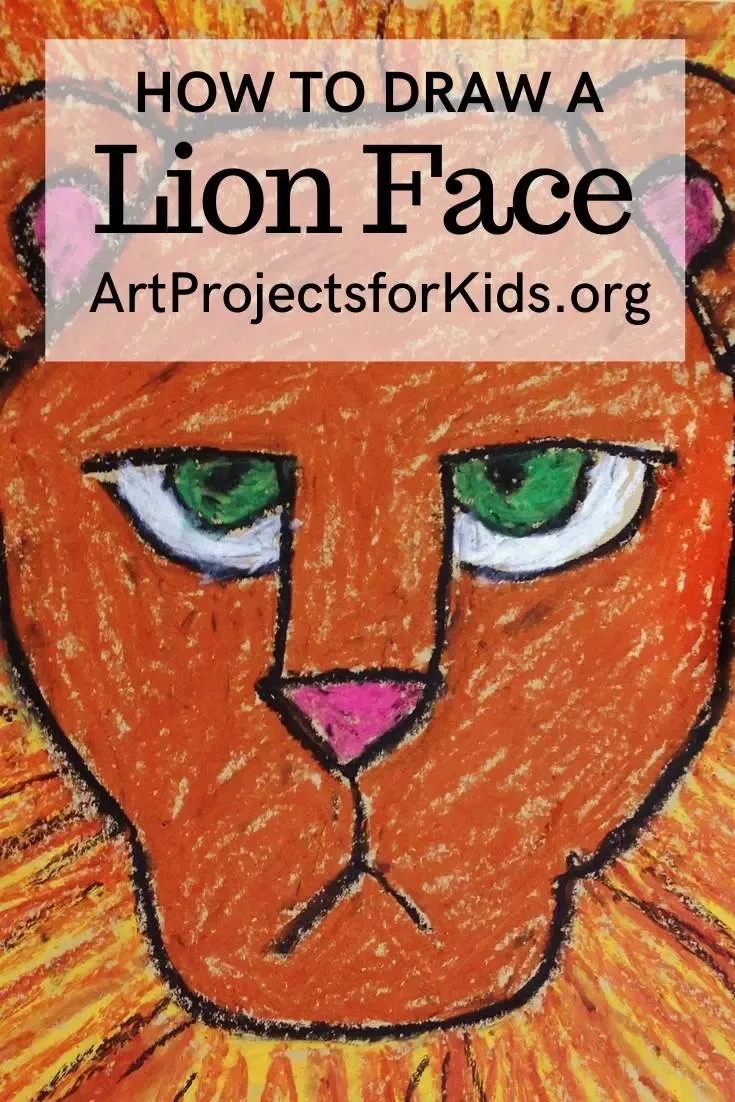
Begin by lightly sketching a large circle in the center of the paper for the main head. Below this circle, draw a smaller overlapping circle or a rounded square to represent the jaw. These two shapes intersect to form the lion’s face profile, ensuring the proportions remain balanced from the start.
Mapping the Facial Features
Once the guides are in place, it is time to locate the key features. Draw two intersecting lines across the face: one vertical and one horizontal. The vertical line splits the face evenly, while the horizontal line helps align the eyes at the correct height.


At the point where these lines meet near the top of the head, lightly sketch two small circles for the eyes. Just below the eyes, add a small triangle shape for the nose, positioned on the vertical line. Finally, draw a wide, curved line below the nose to represent the open mouth and tongue, giving the lion its characteristic fierce look.
Refining the Distinctive Mane
The mane is the most iconic feature of a lion face, turning a simple cat into a regal creature. Kids should now focus on drawing the outline around the initial head circle. The mane consists of short, zigzagging lines that flow outward, resembling a fiery halo.
Encourage children to think of the mane as a cloud with sharp edges. They should draw these jagged lines around the entire head, paying attention to creating volume. The mane should widen at the cheeks and neck, making the lion appear powerful and full of energy.


Adding Texture and Detail
Details bring the drawing to life, transforming basic shapes into a textured masterpiece. Within the mane, kids should add shorter strokes branching off the main lines to simulate individual hairs. This step requires patience but results in a rich, dimensional effect.
For the facial features, darken the eyes and add a small circle inside each for the reflective shine. Draw the nose with subtle shading to give it dimension, and add curved lines for the mouth wrinkles. Finally, sketch the ears as triangles behind the mane, ensuring they are slightly flattened against the head.
Finalizing with Color
The last step involves applying color to complete the transformation. This stage allows kids to express their creativity while bringing realism to their artwork. Choosing the right colors is crucial for achieving an authentic lion appearance.


Kids should use tawny yellows and oranges for the face and main body. The mane is the place to experiment with deeper tones like brown and black at the tips. Coloring should be done carefully, staying within the lines, and layering colors can create a vibrant, sun-kissed effect that highlights the lion's majestic nature.
Related Articles
Easy Lion Face Drawing Tutorial: Step-by-Step Pencil Guide
Learning how to draw a lion face easy step by step with pencil is a rewarding journey that combines understanding basic form with capturing majestic texture...

Easy How to Draw the Grinch Face for Kids: Simple Step-by-Step Guide
Drawing the Grinch face easy for kids is a fun and creative activity that brings the beloved Dr. Seuss character to life with simple shapes and bold...
How to Draw the Grinch Face: Easy Step-by-Step Guide for Kids
Drawing the Grinch face is a delightful activity that introduces kids to the world of character illustration. This guide breaks down the complex look of the...

How to Draw a Cute Dog Face Step by Step: Easy Guide for Kids and Beginners
Learning how to draw a cute dog face step by step easy is a rewarding experience that blends simple shapes with expressive features. This guide breaks down the...

Easy Step-by-Step: How to Draw a Turtle for Kids
Drawing a turtle can be a delightful experience for kids, offering a perfect balance of simplicity and charm. This step-by-step guide breaks down the process...

How to Draw Minnie Mouse Face: Easy Step-by-Step Guide
Drawing the iconic Mickey Mouse universe begins with mastering its most beloved character. This Minnie Mouse face step by step tutorial breaks down the...