How to Get Green Food Coloring Out of Clothes: Easy Stain Removal Guide
Discovering a vibrant streak of green food coloring on your favorite shirt can feel like a minor disaster, but it is far from a lost cause. The key to successfully removing these stains lies in understanding the science behind the dye and acting quickly with the right techniques. Most food colorings are water-based, which means they are generally treatable before they set permanently into the fabric fibers. This guide provides a detailed, step-by-step approach to tackle this specific challenge and restore your garments to their original condition.
Immediate Response: The Critical First Hour
The most important factor in removing any stain, including green food coloring, is the timeline. Acting within the first hour dramatically increases your chances of a complete cleanup. As soon as you notice the stain, resist the urge to heat dry the garment, as heat will permanently bond the dye to the fabric. Instead, gently blot any excess color with a clean paper towel or cloth to remove surface residue without spreading the stain.
Rinsing with Cold Water
Hold the stained area under a steady stream of cold, running water. The goal is to flush the dye out of the fibers before it can penetrate deeper. Always rinse from the back of the stain so that you are pushing the dye out of the fabric rather than driving it further in. You will likely see the color diffuse into the water, which indicates the dye is being lifted away from your clothing.



Targeted Treatment with Stain Removers
Once you have rinsed the stain as thoroughly as possible, it is time to apply a targeted agent. Liquid laundry detergent is an excellent first line of defense for water-based stains. Apply a few drops directly to the stain and gently work it in using your fingers or a soft-bristled brush. For tougher or older stains, you will need a specialized approach involving oxygen-based bleach.
Using Oxygen Bleach for Set-In Stains
Oxygen bleach, such as sodium percarbonate, is a powerful yet fabric-safe cleaning agent that excels at removing persistent food coloring. It works by releasing oxygen bubbles that break down the dye molecules without damaging the integrity of your clothes. It is effective on both white and colorfast garments.


| Stain Type | Recommended Treatment | Duration |
|---|---|---|
| Fresh Green Stain | Cold Water Rinse + Liquid Detergent | 5-10 minutes |
| Set-In Green Stain | Oxygen Bleach Soak | 4-6 hours or overnight |
The Soaking Process
For stains that have had time to set or for large garments, a soaking method is highly effective. Fill a bucket or sink with cool water and dissolve a scoop of oxygen bleach powder according to the package instructions. Submerge the stained garment completely, ensuring the stain is fully immersed. Allow it to soak for a minimum of four hours, but ideally overnight, to give the chemical reaction ample time to break down the green pigment.
Washing and Final Inspection
After the soaking period is complete, remove the item from the solution and launder it as you normally would. Use the highest temperature setting recommended on the garment's care label to ensure the dye is fully eliminated. Before placing the item in the dryer, inspect the stain carefully. If any trace of green remains, repeat the soaking and washing process. Running a stained garment through the dryer will cook the stain into the fabric, making it nearly impossible to remove later.
Alternative Methods and Natural Solutions
While oxygen bleach is highly effective, there are situations where you might need an alternative. Distilled white vinegar can be used to help set the dye during the rinsing phase, although it is less potent than bleach for color removal. Rubbing alcohol or hand sanitizer containing alcohol can break down the dye, but these are stronger solvents that may strip color from certain fabrics or cause bleeding. Always test these alternative methods on a small, inconspicuous area of the garment before applying them directly to the stain.


Related Articles
Remove Food Coloring from Sheets: Easy Stain Removal Guide
Accidental spills on bed linens are an inevitable part of home life, and few are more frustrating than a vibrant streak of food coloring marring an otherwise...
How to Remove Red Food Coloring from Clothes: Easy Stain Removal Tips
Few mishaps are as stressful as watching a vibrant red droplet spread across your favorite shirt. Whether it is from a celebratory dessert or a misguided craft...
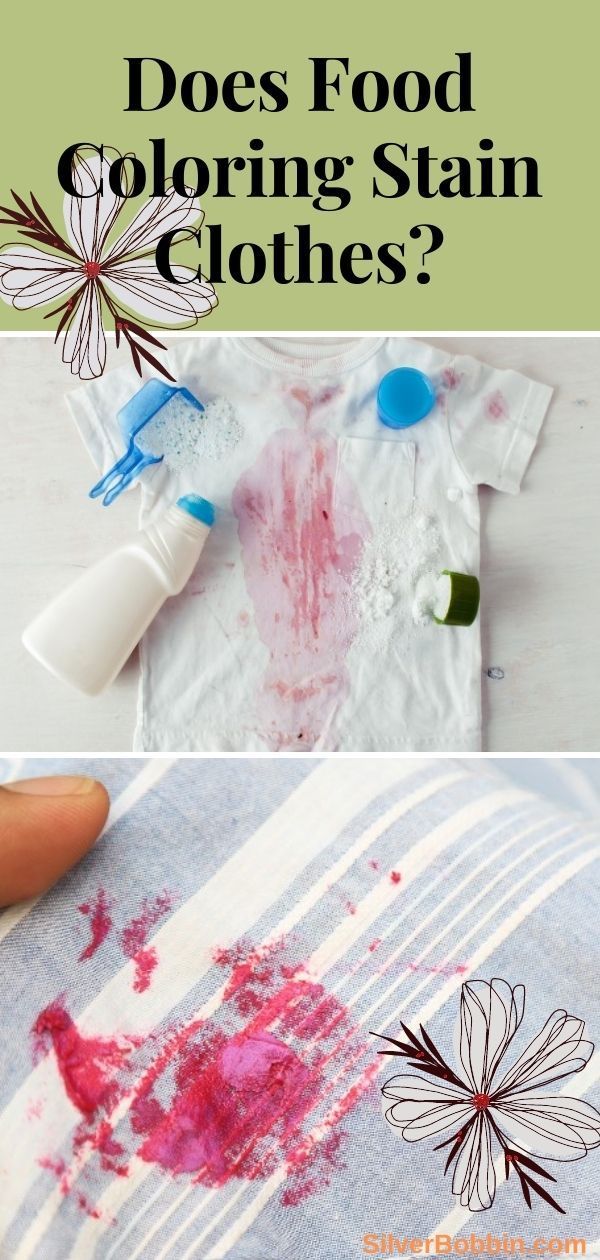
Is Food Coloring Permanent on Clothes? Ultimate Stain Removal Guide
The short answer to whether food coloring is permanent on clothes is a definitive no, but the reality is far more nuanced. While these dyes are designed to...
How to Clean Food Coloring Off Clothes: Easy Stain Removal Tips
Few things are as stressful as discovering a vibrant streak of food coloring on your favorite shirt or a cherished tablecloth. Whether it is from a birthday...

How to Make Dark Green Icing with Food Coloring: Easy Step-by-Step Guide
Creating the perfect deep, dark green icing can transform a simple dessert into a visually stunning centerpiece, whether you are crafting a festive birthday...

How to Remove Unwanted Dye from Clothes: Easy Stain Removal Guide
Discovering a smear of unwanted dye on your favorite shirt can feel like a minor disaster, but it is not a lost cause. Whether the color transferred during a...