How to Get Red Dye Out of Clothes Fast: Ultimate Stain Removal Guide
Red dye stains are among the most alarming mishaps in laundry, transforming a simple load into a crisis. Whether it is a vibrant piece of clothing, a beetroot spill, or an errant lipstick mark, the sheer intensity of the color can feel permanent. The good news is that with the right strategy, you can get red dye out of clothes fast. The key is to act immediately, avoid common mistakes like heat drying, and select a targeted removal method based on the fabric and the source of the stain.
Stop the Set: Immediate First Response
Speed is the single most critical factor when dealing with red dye. As soon as you notice the transfer, flush the back of the stain with cold running water. This pushes the dye out of the fibers before it sets deeply. Avoid hot water at all costs, as heat opens the fibers of the fabric, essentially bonding the dye to the material. Once the water runs clear, gently blot the area with a clean, white towel to absorb as much of the liquid dye as possible before applying a treatment.
Targeting the Stain at Home
For at-home treatment, you need a solvent capable of breaking down the dye molecules. Liquid laundry detergent is often the first line of defense; apply it directly to the stain and gently work it in with your fingers. For more stubborn marks, a product containing enzymes or a specialized stain remover is necessary. Rubbing alcohol or hand sanitizer, due to their high alcohol content, are highly effective on dye stains because they act as a solvent to lift the pigment from the fabric. Simply apply it to a cotton ball and dab the area until the color lifts.


Fabric-Specific Strategies
Not all fabrics respond well to the same aggressive treatments, and tailoring your approach is essential to prevent damage. For sturdy fabrics like cotton and polyester, you have more flexibility to use stronger agents like oxygen bleach or a paste made from baking soda and water. However, delicate materials such as silk, wool, or lace require a much gentler touch. In these cases, sticking with mild dish soap diluted in cold water is usually the safest approach to avoid ruining the texture or sheen of the fabric.
| Fabric Type | Recommended Method | Agents to Avoid |
|---|---|---|
| Cotton / Linen | Oxygen bleach soak, detergent, rubbing alcohol | Chlorine bleach on colored reds |
| Silk / Wool | Diluted dish soap, cold water flushing | Hot water, harsh chemicals, vigorous rubbing |
| Synthetic (Polyester) | Rubbing alcohol, liquid detergent, pre-treatment sprays | High heat drying until stain is gone |
The Wash and Dry Protocol
After applying your chosen treatment, let the solution sit on the stain for at least five to ten minutes to allow it to break down the dye. Wash the garment separately in the hottest water temperature that the fabric label allows, using a heavy-duty detergent. This heat is crucial for synthetic fabrics, as it helps melt and wash away the remaining dye molecules that the chemical treatment has loosened. Before placing the item in the dryer, inspect the stain carefully; if you still see any residual red, repeat the treatment. Heat from a dryer will set the stain permanently if it is not completely gone.


When to Seek Professional Help
There are instances where a home remedy might fall short, particularly with vintage garments, heavily saturated dye, or delicate textiles that you cannot afford to ruin. If you have tried multiple treatments and the dye remains, or if the fabric is too fragile for aggressive cleaning, it is time to consult a professional dry cleaner. Inform them specifically that the stain is caused by red dye; this detail allows them to use the correct chemical solvents that you might not have access to at home.
Prevention for the Future
The best way to handle red dye is to ensure it never becomes a problem in the first place. Always read clothing labels and wash new garments for the first few times separately to catch any excess dye that might rub off. When dealing with red foods like beets or sauces, act immediately with a stain pen or a dab of detergent before the stain has a chance to set. By treating potential accidents with the same urgency as the current mess, you can save your favorite wardrobe pieces from irreversible damage.


Related Articles

Removing Dye Transfer from Clothes: The Ultimate Stain Removal Guide
Discovering a dye transfer on your favorite shirt or dress can feel like a laundry disaster, but it is not necessarily a permanent one. Whether the color bled...
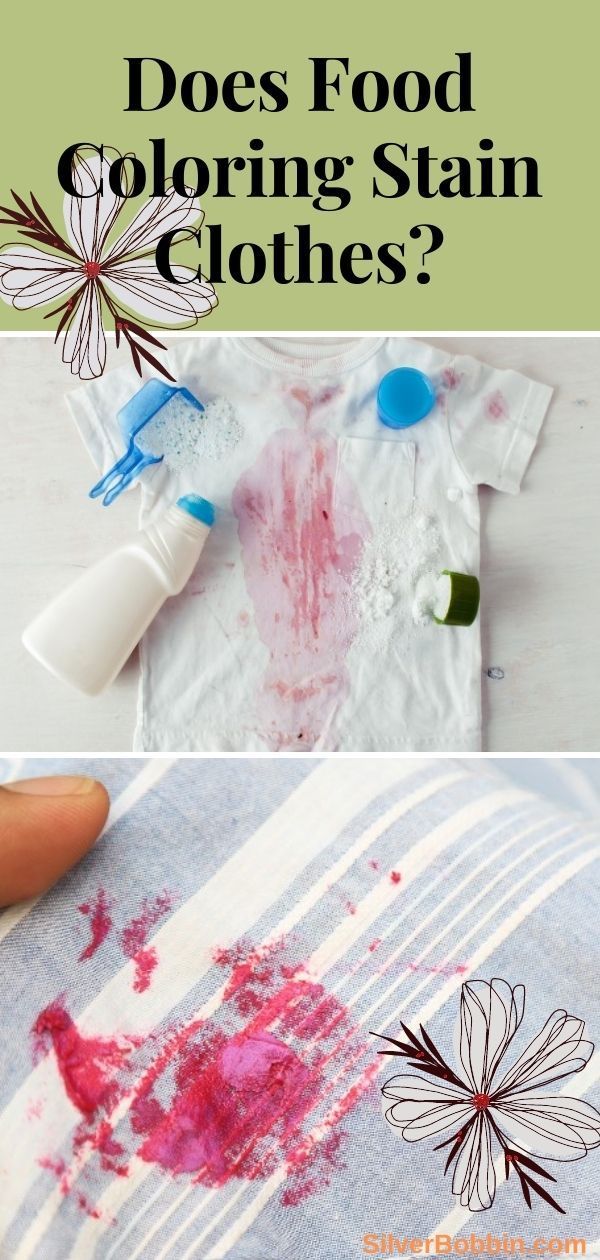
Is Food Coloring Permanent on Clothes? Ultimate Stain Removal Guide
The short answer to whether food coloring is permanent on clothes is a definitive no, but the reality is far more nuanced. While these dyes are designed to...

How to Remove Unwanted Dye from Clothes: Easy Stain Removal Guide
Discovering a smear of unwanted dye on your favorite shirt can feel like a minor disaster, but it is not a lost cause. Whether the color transferred during a...

Ariel Professional Liquid: Ultimate Stain Removal Guide
For professionals in the cleaning and maintenance industry, selecting the right chemical partner is non-negotiable. Ariel Professional Liquid represents a...

How to Get Pink Dye Out of White Clothes: Stain Removal Guide
Discovering a vibrant pink stain on your favorite white garment can feel like a disaster, but it is entirely salvageable with the right approach. The key to...

Remove Red Stain from White Sheets: The Ultimate Stain Removal Guide
Few laundry mishaps are as disheartening as pulling a batch of sheets from the wash to find tell-tale red stains marring your once-pristine white linen...