How to Get Transferred Color Out of Clothes: Ultimate Stain Removal Guide
Discovering a fresh smear of color on your favorite shirt can feel like a minor disaster, but it is a situation you can absolutely solve. Transferred color often occurs when wet fabrics bump against each other in the wash or during dry cleaning, and the good news is that most dyes can be coaxed out with the right approach. Acting quickly is essential, yet patience and the correct technique are what truly separate a ruined garment from a perfectly restored one.
Identify the Dye and Fabric First
Before you reach for any cleaning solution, it is vital to understand what you are dealing with. The fabric and the type of dye dictate the entire removal strategy, and using the wrong method can set the stain permanently. You are generally working with two categories: water-based dyes from items like denim or cotton, and oil-based dyes found in garments like dark new jeans or specialized workwear.
Testing for Colorfastness
To ensure your cleaning method doesn't damage the original color of the garment, you must test for colorfastness. Dampen a small, hidden area of the fabric, such as an inside seam, with cool water. Gently press a clean white cloth against the spot and blot; if the colored liquid transfers onto the white cloth, the dye is not colorfast, and you will need to use gentler methods like dish soap or specialized removers instead of harsh solvents.


| Fabric Type | Recommended Approach | Products to Use |
|---|---|---|
| Cotton & Linen | Stronger solvents | Rubbing alcohol, nail polish remover |
| Silk & Wool | Gentle treatment | Dish soap, vinegar solution |
| Synthetic (Polyester) | Moderate strength | Alcohol-based sprays, baking paste |
The Power of Rubbing Alcohol
For the most common scenario of denim or colored fabric transferring dye onto a lighter item, isopropyl alcohol is often the most effective first line of defense. Alcohol breaks down the bonds of the water-soluble dye without attacking the fabric fibers, provided you use it correctly and avoid excessive saturation.
Application Technique
Place a clean paper towel or absorbent cloth beneath the stained area to catch the bleeding dye. Using a cotton ball or soft cloth, apply alcohol directly to the stain and work from the outer edge toward the center to prevent spreading. Blot the area repeatedly, and you will see the color lift from the fabric and transfer onto the towel beneath it.


Addressing Set-In Stains
If the garment has already gone through the dryer or the stain has cooled and hardened, a more aggressive approach is required. Heat sets stains, making them incredibly difficult to remove, but they are not impossible. In these situations, you need to break down the dye molecules without damaging the fabric's integrity.
Vinegar and Laundry Detergent Soak
For white or colorfast fabrics, mix one part white vinegar with one part water in a basin large enough to submerge the item. Soak the garment for at least 30 minutes to loosen the dye bonds. After soaking, apply a heavy-duty liquid laundry detergent directly to the stain and gently rub the fibers together under cold water. The acidity of the vinegar combined with the surfactants in the detergent will often dislodge even old transfers.
Specialized Tools and Products
Sometimes, household items are not enough, and you need to invest in products specifically designed for stain removal. These commercial solutions are engineered to target specific dye molecules and are a worthwhile option for expensive or delicate garments that you cannot afford to damage.


Commercial Stain Removers
Products containing enzymes or oxygen bleach are excellent for tackling dye transfer on colored fabrics where chlorine would cause fading. Apply the remover according to the label instructions, allow it to sit for the recommended time to break down the dye, and then wash the item at the warmest temperature the fabric allows. This prolonged contact time is the secret to breaking down stubborn, set-in color.
Washing and Final Checks
Once you believe the stain is gone, proceed with the washing cycle to ensure no residual dye remains on the fabric. Using the hottest water setting allowed for the material helps to flush away any leftover particles, but you must always check the care label first to avoid shrinking or melting the garment.
The Air-Dry Inspection
Never put the garment into a dryer until you are 100% certain the stain is gone. The heat from a dryer will permanently bond any remaining dye to the fibers. Instead, air-dry the item completely and inspect it in natural light. If a faint trace of the transfer remains, repeat the treatment process; if the fabric looks perfect, then it is finally safe to machine dry.


Related Articles
Removing Dye Transfer from Clothes: The Ultimate Stain Removal Guide
Discovering a dye transfer on your favorite shirt or dress can feel like a laundry disaster, but it is not necessarily a permanent one. Whether the color bled...
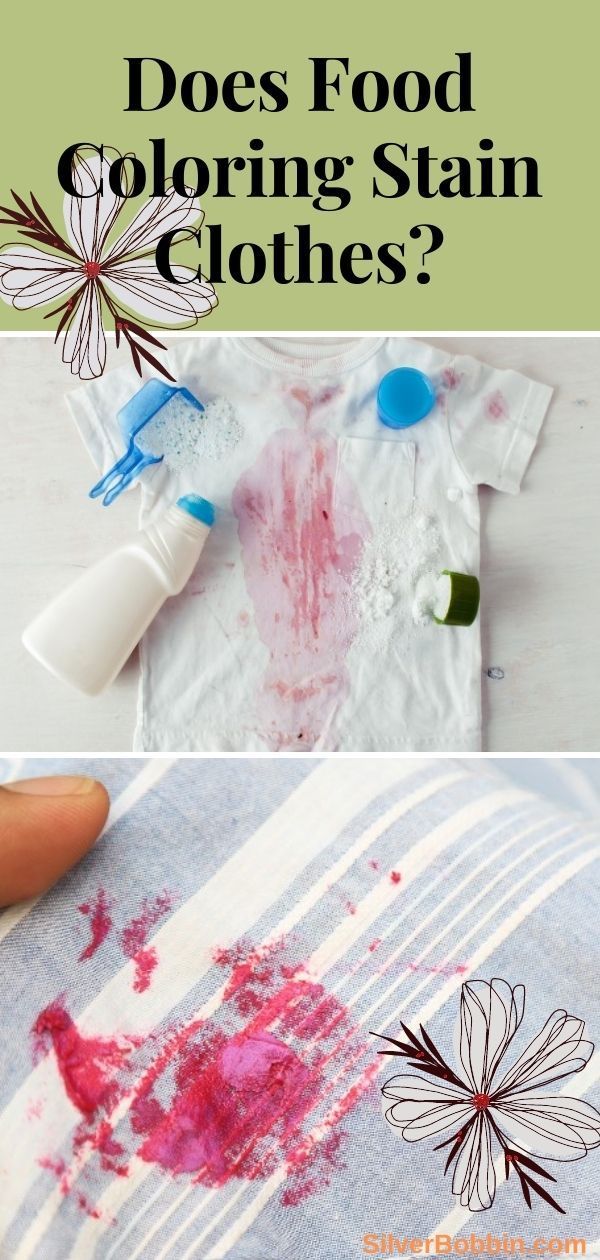
Is Food Coloring Permanent on Clothes? Ultimate Stain Removal Guide
The short answer to whether food coloring is permanent on clothes is a definitive no, but the reality is far more nuanced. While these dyes are designed to...

How to Get Red Color Transfer Out of Clothes: Expert Stain Removal Guide
Finding a vibrant red stain on your favorite shirt or sweater can feel like a fashion disaster. Whether it is a drop of marinara sauce, a smear of lipstick, or...

How to Dye Clothes with Powder Dye: Ultimate Guide for Vibrant Color
Dyeing your own clothes with powder dye is a rewarding process that transforms ordinary fabrics into vibrant, personalized pieces. This method offers...
How to Remove Unwanted Dye from Clothes: Easy Stain Removal Guide
Discovering a smear of unwanted dye on your favorite shirt can feel like a minor disaster, but it is not a lost cause. Whether the color transferred during a...

Ariel Professional Liquid: Ultimate Stain Removal Guide
For professionals in the cleaning and maintenance industry, selecting the right chemical partner is non-negotiable. Ariel Professional Liquid represents a...