How to Get Yellow Out of White T-Shirts: Whitening Revival
Few laundry mishaps are as frustrating as pulling a white t-shirt from the wash only to find it splattered with yellow stains. Whether the discoloration comes from sweat, deodorant, or a lingering stain from a previous spill, the result is the same: your favorite shirt looks old before its time. This guide walks you through the most effective methods for tackling yellow buildup and restoring your garments to a true, bright white.
Diagnosing the Yellow Culprit
Before you begin treating the stain, it helps to understand the source of the yellowing. Identifying the cause can influence which cleaning method you use and how aggressively you need to treat the fabric. The most common offenders fall into a few key categories.
Protein-Based Stains and Perspiration
The most frequent cause of yellowing in white cotton is a mix of protein-based sweat and the aluminum compounds found in most antiperspirants. When sweat mixes with these chemicals, it creates a grimy barrier on the fabric that traps minerals and bacteria. If you wash a shirt while this residue is still fresh, the heat of the dryer will essentially bake the yellow minerals deep into the fibers, making the stain set and permanent over time.


Old or Product Build-Up
Over time, fabric softeners, body oils, and residue from detergents can build up on the fibers of your t-shirt. This accumulation creates a grey or yellow haze that dulls the fabric's natural brightness. This type of build-up is less about a single spilled substance and more about the cumulative effect of wearing and washing the shirt repeatedly without a deep clean.
The Soaking Method for Fresh Stains
If you caught the yellowing early—perhaps right after a workout or a spill—immediate soaking can prevent the stain from setting. This method focuses on breaking down the residue before it has a chance to bond with the fabric. You will need a clean basin or sink and a specialized cleaning agent.


Step-by-Step Process
Start by rinsing the shirt under warm water to flush away any loose particles. Next, apply a heavy-duty liquid detergent directly to the yellowed areas and gently rub the fabric together to create a lather. Fill the basin with warm water and add one cup of white vinegar or oxygen-based bleach. Allow the shirt to soak for a minimum of 4 hours, or ideally, overnight. The enzymes in the detergent and the acidity of the vinegar will work to dissolve the mineral deposits and organic matter trapped in the threads.
The Whitening Power of Hydrogen Peroxide
For stains that have already dried or for persistent yellowing that won't budge with soap and vinegar, hydrogen peroxide is a highly effective solution. It acts as a gentle bleach, safely lifting color from the fabric without damaging the cotton fibers like chlorine bleach might. This method is particularly useful for collars and underarms where the fabric is thick.
Treatment Application
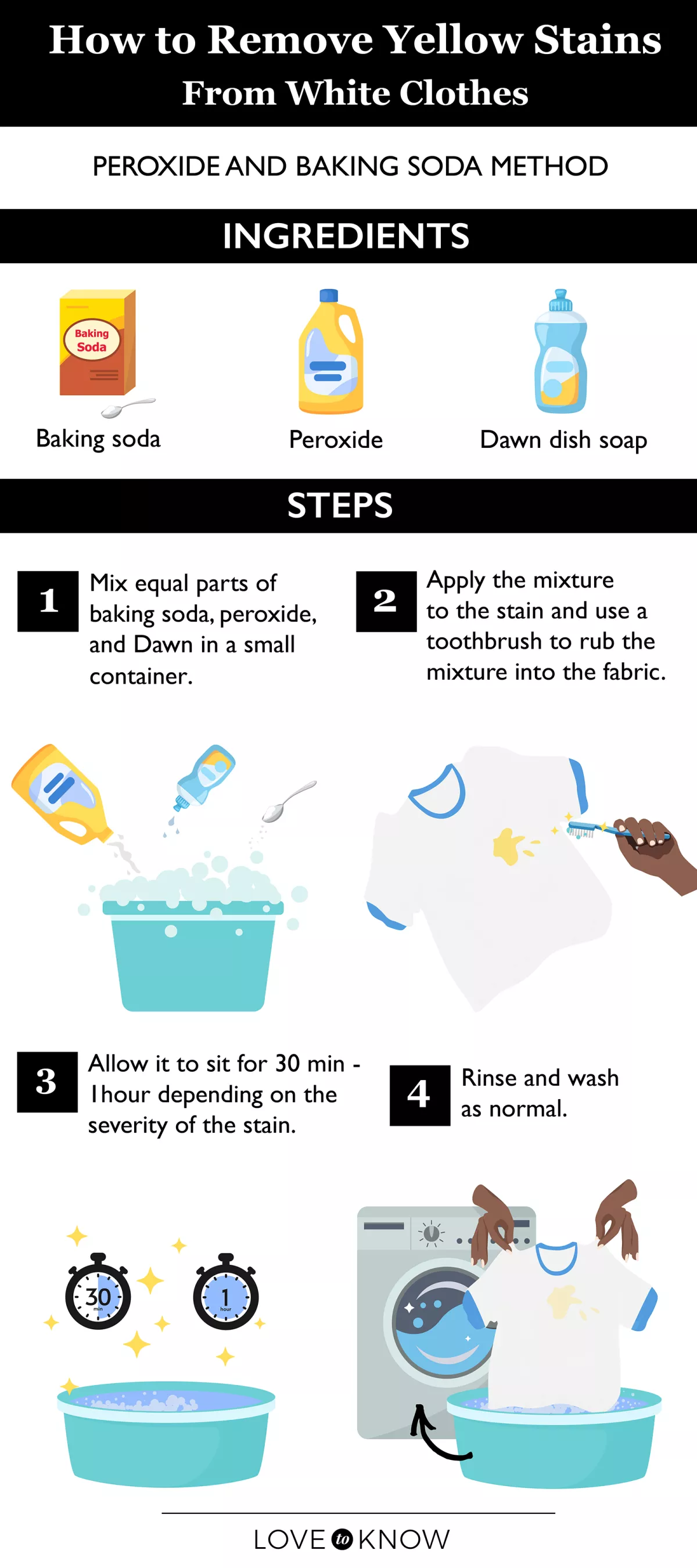
Lay the t-shirt flat on a protected surface and apply hydrogen peroxide (the 3% solution found in drugstores) directly to the yellowed patches. Use a clean toothbrush or sponge to gently work the liquid into the fabric. You will see the peroxide foam slightly as it reacts with the stain; this is a good sign. Allow it to sit for 10 to 15 minutes, then rinse thoroughly with cold water. If the yellowing persists, you can apply a second treatment before moving to the wash cycle.




Washing and Drying for Success
How you handle the washing machine phase is just as important as the pre-treatment. Using the wrong settings or heat levels can turn a yellow stain into a permanent fixture. The goal here is to use heat strategically to aid the cleaning process without baking the stain.
Best Practices for the Wash Cycle
- Hot Water: Wash the shirt in the hottest water appropriate for the fabric. Heat helps to dissolve and wash away the oils and minerals that cause yellowing.
- Detergent Boost: Add your regular laundry detergent along with one-half cup of baking soda. The baking soda acts as a natural whitener and deodorizer, helping to neutralize odors and lift stubborn residue.
- Oxygen Bleach: For colorsafe whitening, add an oxygen-based bleach (like OxiClean) to the wash cycle. Follow the package instructions for the correct dosage based on the size of the load.
Avoiding the Dryer (Crucial Step)
This step is non-negotiable if you want to save a yellowed t-shirt. Never put a stained white garment into the dryer until you are 100% certain the stain is gone. The high heat of a standard dryer will cause the remaining mineral deposits to fuse permanently with the cotton fibers. Until the yellow is completely gone, always air-dry the shirt. Hang it outside in the sunlight if possible, as the natural UV rays can further help to break down discoloration.
Alternative Aids and Pro Tips
If the standard methods aren't producing the results you want, a few household items can act as powerful allies in your fight against yellow t-shirts. Lemon juice is a natural bleaching agent; squeezing fresh lemon over the stain before sun-drying can yield impressive results. Similarly, commercial oxygen bleaches are significantly gentler than chlorine bleach but are highly effective at revitalizing the brightness of dingy white fabric. For particularly tough, old stains, repeating the soak and wash process might be necessary, but patience will usually pay off.


Related Articles

How to Get Pink Dye Out of White T-Shirts: Easy Stain Removal Guide
Finding a pink dye stain on your favorite white t-shirt can feel like a disaster, but it is a problem with a reliable solution. The key to success lies in...

How to Dye White T-Shirts: Vibrant Color Techniques & Tips
Transforming a basic white t-shirt into a vibrant statement piece is one of the most accessible and rewarding DIY fashion projects. Whether you want to refresh...

How to Make Red White and Blue Tie Dye T-Shirts: Step-by-Step Guide
Creating a red, white, and blue tie-dye t-shirt is a fantastic way to celebrate patriotism, support a cause, or simply add a vibrant piece to your summer...

What Are Nike T-Shirts Made Of? Find The Perfect Fabric
When you pull a Nike T-shirt over your head, the fabric feels familiar, almost second skin. This immediate sensory experience is the result of years of...

How to Fold Tie-Dye T-Shirts: The Ultimate Step-by-Step Guide
Tie-dyeing remains one of the most expressive and accessible forms of personal style, transforming a simple white tee into a wearable piece of art. However...

How to Dye Fabric White Without Bleach: Natural Whitening Methods
For many crafters and clothing enthusiasts, achieving a vibrant, pure white base for fabric projects is the first step toward a successful dye job. While...