How to Print Posters at Home for Free: Easy & Cost-Free Guide
Printing posters at home for free may sound like a fantasy, but with the right strategy, it is entirely achievable. The key to success lies not in finding a mythical free printer, but in leveraging the supplies and services already available to you. By utilizing your existing devices, smart software choices, and a bit of planning, you can produce high-quality results without spending a dime on ink or paper. This guide will walk you through the entire process, transforming your digital designs into physical prints efficiently and cost-effectively.
Maximizing Existing Subscriptions and Hardware
The most reliable foundation for free home printing is your current technology. Most modern printers come with a limited initial ink capacity designed to get you started, and many manufacturers offer free starter cartridges with new printer purchases. If your printer is already set up, check its display panel or companion app; brands like HP and Epson often provide a utility mode that allows you to print a few test pages or small documents without consuming the main cartridges. Additionally, if you use a smartphone or tablet, ensure it is fully charged and connected to the same Wi-Fi network as your printer to avoid unnecessary data usage that might indirectly cost you money.
Utilizing Free Cloud Printing
Cloud printing services are perhaps the biggest overlooked resource for creating physical posters at no direct cost. Google Cloud Print, although officially retired, laid the groundwork for integrated solutions that remain robust on most modern systems. If you use Gmail, you can send documents or images directly to a compatible printer linked to your account. Similarly, Apple's AirPrint allows iPhone and iPad users to print wirelessly to compatible models. By routing your digital files through these channels, you bypass third-party software costs and utilize the free infrastructure provided by your operating system or email provider.


Software Optimization for Free Output
To truly print for free, you must use software that does not require you to purchase proprietary cartridges or subscription plans. Instead of heavy commercial design packages, turn to open-source or free-tier applications that offer robust poster-making capabilities. These programs allow you to arrange large images across multiple pages precisely, ensuring your final assembly is seamless. The goal here is to create the artwork digitally without incurring software costs, keeping the entire process within the realm of free execution.
Leveraging Free Design Tools
Canva remains a top choice for creating poster templates, offering a massive library of free images and layouts that require zero design experience. For users seeking more control over vector graphics, Inkscape provides professional-grade editing capabilities entirely for free. Even standard software like Microsoft Word or Google Docs can be effective; simply adjust the page setup to "Custom" dimensions that match your desired poster size, then use the "Tile" or "poster" print option to split the image across sheets. This digital preparation ensures that when you press print, you are working with a finalized, cost-free file ready for output.


Once your digital file is ready, the physical act of printing requires specific tactics to avoid cost triggers. Standard paper is the most critical factor here; premium or specialty paper often requires specific, expensive inkjet inks that trigger warning messages or fail to print altogether. By sticking with basic, uncoated paper or even thin cardstock, you ensure compatibility with the residual ink in your existing cartridges. Furthermore, selecting the "Draft" or "Eco" mode on your printer settings reduces the amount of ink deposited per page, stretching your current supply to cover the entire poster area without triggering a "low ink" stop error.
Strategic Assembly and Finishing
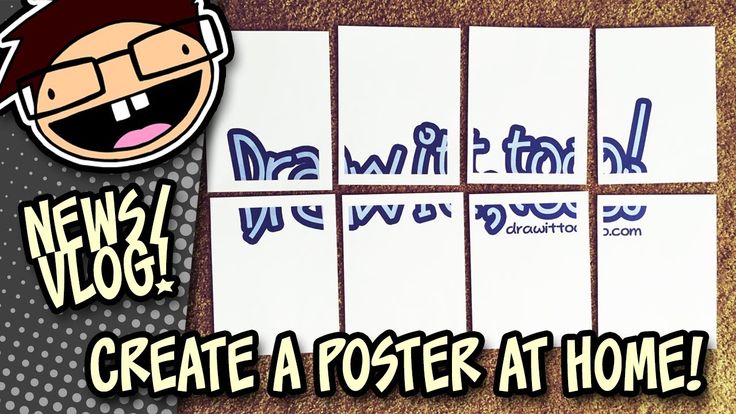
After printing your sections, the final step is assembly, which requires glue or tape but no additional printing costs. A glue stick is often the most effective tool for this job, as it dries clear and does not warp the paper like liquid rubber cement might. To create a seamless look, carefully align the pages using the white border or registration marks you may have left during the printing setup. Press the sheets firmly together on a flat surface, ensuring the bond is secure before standing the poster upright. This manual assembly is the final free step that transforms separate sheets into a single, cohesive visual statement.
Cost-Effective Maintenance for Longevity
To maintain the ability to print posters for free, you must manage your hardware responsibly. Running a printer continuously without usage can cause ink to dry in the nozzles, leading to poor prints that tempt you to spend money on replacements. Performing a simple nozzle check and cleaning cycle once a week keeps the ink flowing freely. Additionally, storing your paper in a dry cabinet or sealed bag prevents moisture damage, which can cause jams or streaking. By treating your printer as a long-term tool rather than a disposable appliance, you ensure that the pathway to free poster creation remains open for years to come.




Related Articles
How to Print Posters Free: Easy Guide for Stunning Results
Printing posters for a presentation, a community event, or personal art can quickly add up in cost. Fortunately, you do not need to sacrifice quality or...

How to Print Posters on Canva for Free: Easy Step-by-Step Guide
Creating professional-looking posters doesn't require expensive software or a designer's toolkit. With Canva, anyone can transform their ideas into vibrant...
The Ultimate Guide to Print Posters at Home: Easy, Affordable Tips
Printing posters at home has never been more accessible, yet achieving gallery-quality results requires strategy. This guide walks you through selecting the...
The Ultimate Guide to Printing Posters at Home: Easy, Cost-Effective Tips
Printing posters at home has never been more accessible, yet achieving a gallery-quality finish requires a blend of the right equipment, paper, and technique...

How to Print Coloring Books at Home: A Fun & Easy Guide
Printing coloring books at home offers a convenient and cost-effective way to bring your creative ideas to life. Whether you are a parent looking to entertain...

Can I Print Posters at Home Depot? A Quick Guide to Costs & Quality
Many people find themselves in a situation where they need a large format print quickly, and the question can i print posters at home depot often comes to...