How to Remove Food Coloring Stains from Clothes: Easy Tips & Tricks
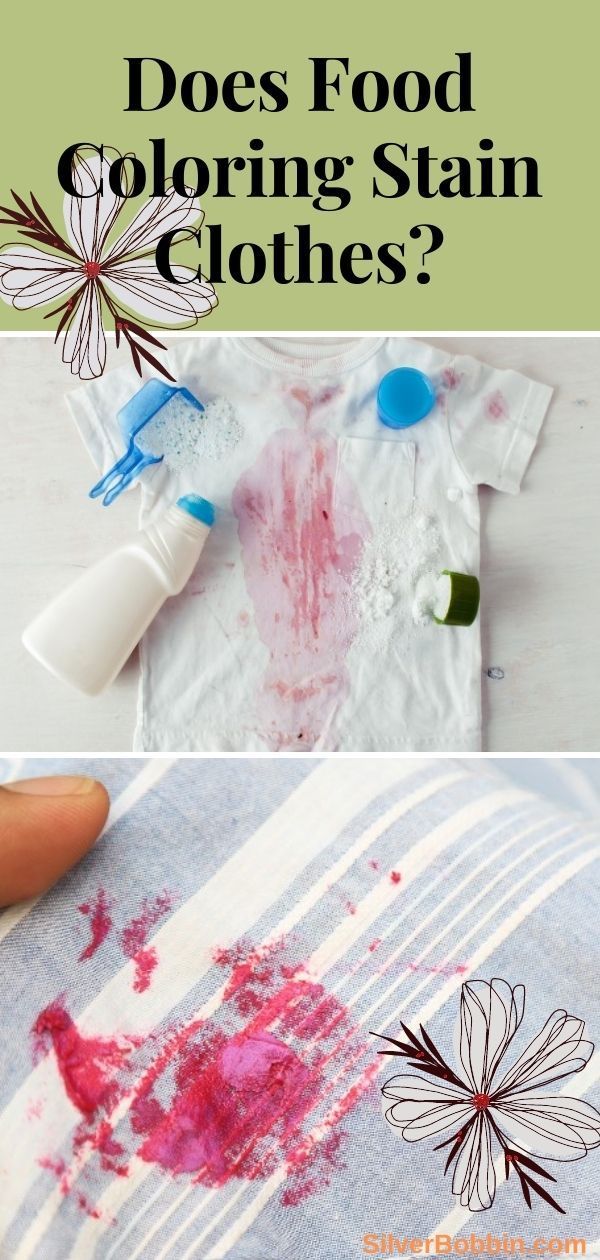
Few things are more frustrating than finding a fresh splash of food coloring on a favorite shirt or an important tablecloth. Whether it is from a birthday cake, a playful child, or a festive dinner, these intense dyes are designed to bind to surfaces, which makes them a challenge to remove from fabric. The good news is that with the right techniques and a calm approach, you can effectively remove food coloring stains from clothes before they set permanently.
Act Fast: Immediate Response is Key
The most critical step in successfully treating a dye stain is the speed of your reaction. Fresh stains that have not yet bonded with the fabric fibers are significantly easier to lift. As soon as you notice the spill, you should move quickly to prevent the dye from setting into the material. Avoid reaching for the laundry soap just yet; the first actions you take determine whether the stain will come out completely or become a permanent mark.
Rinse with Cold Water
Your first tool should always be cold water. Run the stained area under a steady stream of cold water, flushing it from the back of the fabric. This technique pushes the dye out of the fibers rather than driving it deeper. Continue rinsing until the water runs clear and the visual intensity of the stain begins to fade. This initial flushing is often enough to remove a significant portion of the dye, especially on cotton or polyester fabrics.



Assess the Fabric and Choose Your Method
Before applying any chemical treatment, it is essential to check the care label on the garment. Delicate fabrics like silk or wool require gentler handling, while sturdy materials like denim or canvas can tolerate stronger solvents. You must also consider the color of the clothing; using a bleach-based solution on a vibrant colored garment could result in fading or discoloration. Matching the cleaning agent to the fabric type ensures you remove the stain without damaging the item.
For Synthetic and Colorfast Fabrics
On durable, colorfast fabrics, you have more flexibility with cleaning agents. A highly effective method involves applying rubbing alcohol, hand sanitizer, or vinegar directly to the stain. These substances break down the dye molecules, making them easier to wash away. Pour the alcohol or vinegar onto the stain, allow it to sit for a few minutes to penetrate the fibers, and then blot the area gently with a clean white cloth. You will typically see the color transfer from the fabric to the cloth, indicating the process is working.


Laundering and Final Checks
Once you have treated the stain with your chosen solvent, do not throw the item in the dryer immediately. Heat from a dryer will set any remaining dye, making it nearly impossible to remove later. Instead, wash the garment in the hottest water recommended on the care label using your regular laundry detergent. The combination of the solvent lift and the hot water wash should eliminate the last traces of the food coloring. Only after the wash cycle is complete should you inspect the garment to ensure the stain is truly gone.
The Heat Warning
One of the most common mistakes people make is drying a stained garment too soon. The heat from the dryer acts as a setting agent, locking the pigment into the fabric. If you inspect the shirt and see that the stain is still faintly visible, treat it again before washing. It is crucial to repeat the alcohol or vinegar treatment, re-rinse the area, and then re-wash the clothing. Only proceed to dry the item once you are confident the stain is completely absent, ensuring the clothing looks as good as new.


Related Articles
Remove Food Coloring from Skin Fast: Easy Tricks & Tips
Freshly baked cupcakes or a vibrant batch of frosting can turn a simple dessert into a celebration, but the colorful aftermath on your fingers often feels...
How to Remove Red Food Coloring from Clothes: Easy Stain Removal Tips
Few mishaps are as stressful as watching a vibrant red droplet spread across your favorite shirt. Whether it is from a celebratory dessert or a misguided craft...
Remove Food Coloring Stains from White Clothes: Quick & Easy Fix!
Few mishaps are as panic-inducing as watching a vibrant splash of food coloring transform your favorite white shirt into a technicolor disaster. Whether it is...
Remove Food Coloring from White Clothes: Quick Stain Removal Tips
Few laundry mishaps are as stressful as discovering vibrant food coloring on your white clothes. Whether it is a stray drop from a birthday cake or a spill...

How to Remove Blue Food Coloring from Skin: Easy Fixes & Tips
Accidentally getting blue food coloring on your skin is a common occurrence, particularly during baking, holiday decorating, or festive face painting...
How to Remove Food Color Stains from Skin: Easy Fixes & Tips
Few things are as startling as looking in the mirror and discovering that your hand has turned a brilliant shade of blue or your elbow is stained a vibrant...