The Ultimate Sketching Pencil Guide: Best Pencils for Sketching 2024
The simple graphite stick is deceptively complex, holding within its wood and pigment the potential for everything from a faint whisper to a thunderous mark. Choosing the right pencil for sketching is less about finding a single perfect tool and more about understanding how different cores translate to your vision on paper. The market is flooded with options—from the familiar numbered hardness scales to pastel sticks and charcoal—making the selection process feel overwhelming for beginners and even seasoned artists.
Decoding the Hardness Scale: From H to B
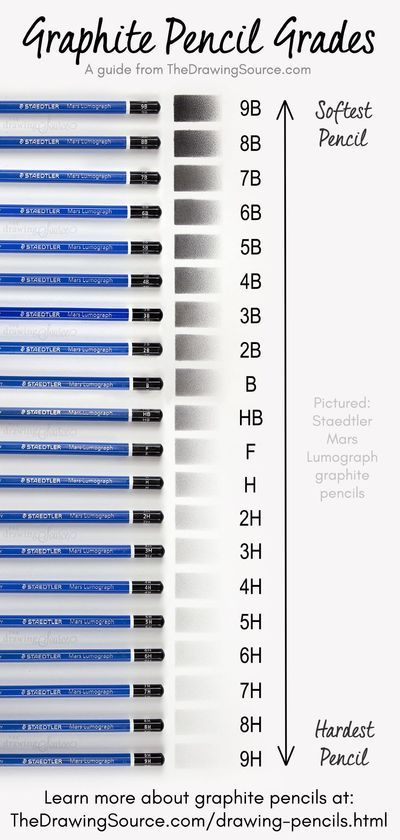
At the heart of every pencil is the clay and graphite core, and its composition dictates your primary tool characteristics. The industry-standard HB scale measures hardness and blackness, where "H" pencils are hard and light, and "B" pencils are soft and dark. An "H" pencil, such as an H or 2H, uses more clay, resulting in a lighter mark that is easily erased and produces a sharp, precise point ideal for technical drawings and fine details. Conversely, a "B" pencil, like a 2B or 6B, contains more graphite, making it softer, darker, and excellent for creating rich, velvety layers of shadow but prone to smudging.
The Sketching Sweet Spot: HB, 2B, and 4B
For general-purpose sketching, most artists find the mid-range pencils to be the most versatile. An HB pencil offers a balanced compromise between line definition and shading capability, making it perfect for initial outlines and controlled work. Moving to a 2B provides a noticeable increase in darkness and smoothness, allowing for bolder sketches and subtle mid-tone values without the difficulty of controlling a super-soft lead. A 4B is a step into deeper tonal work; it glides effortlessly across the page, perfect for establishing dramatic shadows and contrast, though it requires a lighter touch to avoid breaking the lead.


Matching Pencil to Purpose
Different sketching subjects demand different tools, and selecting a pencil based on the task at hand can significantly improve your results. Portraiture often relies on a range of B pencils to capture the subtle gradients of skin, while a harder H pencil is used to render the sharpness of eyes or jewelry. Architectural sketching benefits from the precision of H pencils for clean lines, whereas landscape artists might prefer softer pencils to quickly block in the moody atmosphere of a sky. Understanding the application ensures you are always prepared, whether you are capturing a quick gesture or rendering a detailed still life.
Exploring Alternatives: Charcoal, Pastels, and Graphite Pencils
While traditional wood-cased pencils are staples, expanding your toolkit to include charcoal and pastel pencils can unlock new dimensions of expression. Charcoal pencils offer an incredibly dark, matte finish that is perfect for intense, high-contrast sketches, though it requires a fixative to preserve the work. Soft pastels introduce vibrant, luminous color, bridging the gap between drawing and painting. For those who prefer a cleaner, more controlled application, mechanical pencils provide consistent line thickness with the ability to swap out ultra-fine leads for intricate detail work.


Build Your Sketching Arsenal: A Practical Guide
Rather than buying a single "sketching pencil," the most effective strategy is to invest in a curated set that covers the spectrum of value and precision. Starting with a basic set that includes an H, HB, 2B, and 4B gives you the flexibility to handle light sketches, mid-range drawings, and deep tonal work. As you progress, you can add specific tools like a 6B for extreme darkness or an H2 for technical precision. Quality matters here; a reputable brand will offer consistent pressure, smooth application, and reliable performance that won't hinder your creative flow.
Handling and Technique: The Human Element
Ultimately, the best pencil is the one that feels natural in your hand and responds to your touch. Heavily weighted pencils reduce fatigue during long sessions, while hexagonal barrels offer superior control compared to round ones. Technique plays a massive role—learn to vary your pressure to create lighter or darker tones, and experiment with the side of the lead for broader washes of graphite. A softer 2B pencil in the hands of a skilled artist who understands blending and lifting will always outperform a 6B in the hands of someone who presses too hard.
The Paper Factor: An Essential Partnership
Ignoring the paper is one of the most common mistakes when selecting sketching tools. A soft 4B pencil will perform differently on smooth, hot-pressed paper versus rough, cold-pressed paper. On a smoother surface, the lead glides evenly, while on a textured surface, it grips and deposits more pigment, creating a richer mark. Always consider the tooth of the paper; a medium-textured sheet is the most forgiving for practice, providing enough grip to hold the graphite without causing the paper to pill or tear under the pressure of softer pencils.


Related Articles
The Best Pencil for Drawing: Ultimate Guide to Sketching Pencils
Choosing the right pencil for drawing is less about finding a single perfect tool and more about understanding how different leads and grips translate to mark...
The Ultimate Guide to Choosing the Best Pencils for Sketching
Selecting the right pencil for sketching is less about a single magic tool and more about building a versatile toolkit that matches your specific vision. The...

The Ultimate Guide to the Best Car Window Tint for 2024
Choosing the best window tint for a car is less about a single perfect product and more about identifying the specific solution that balances your priorities...

The Ultimate Guide to the Best Brush for Sketching in Ibis Paint X
Selecting the right digital brush is the single most impactful decision you can make to define the look of your artwork. In ibisPaint, where the simulation of...

The Ultimate Guide to What Kind of Paint for Mandala Dotting: Best Choices for Beginners
When you first pick up a dotting tool, the world of mandala art opens up with incredible precision and possibility. The tiny, perfect circles you create can...

The Ultimate Guide to Golden Retriever Colors: Choosing the Best Coat for You
When people first encounter a Golden Retriever, the shade of their coat is often the first detail noticed. The spectrum ranges from a pale, almost white cream...